The Workstation Blog
All Posts
Hands-on guides to AI infrastructure, MLOps, models, and shipping to production.
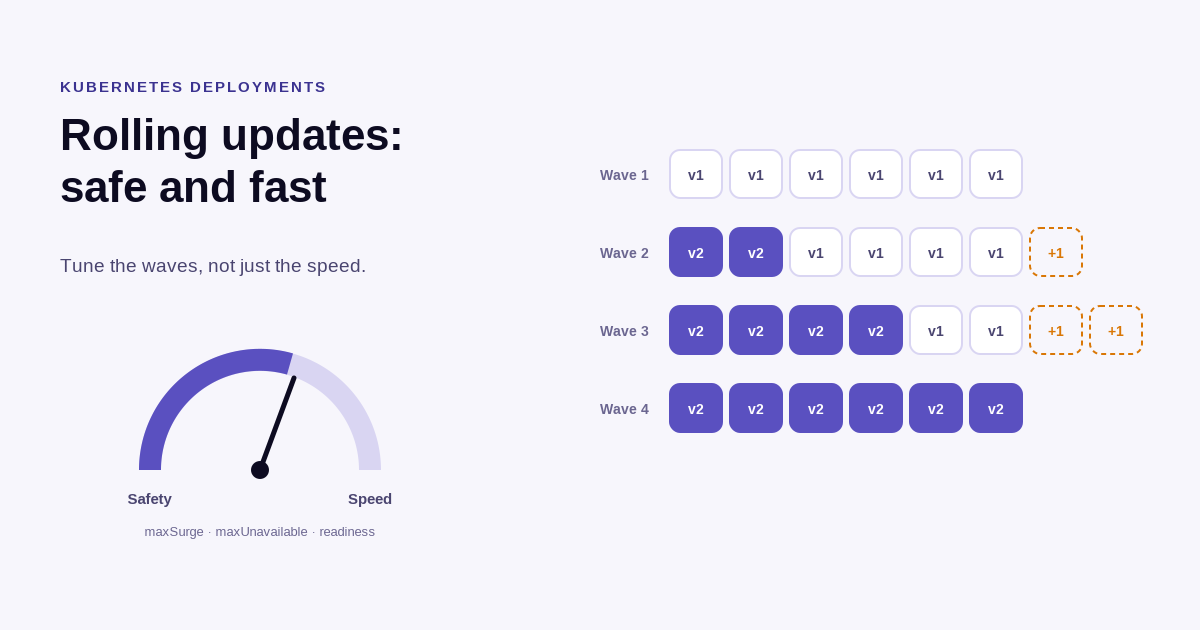
Balancing Safety and Speed in Kubernetes Rolling Updates
Optimizing deployments in Kubernetes is not merely about making things faster; it is about engineering a trade-off between safety margins and rollout velocity…
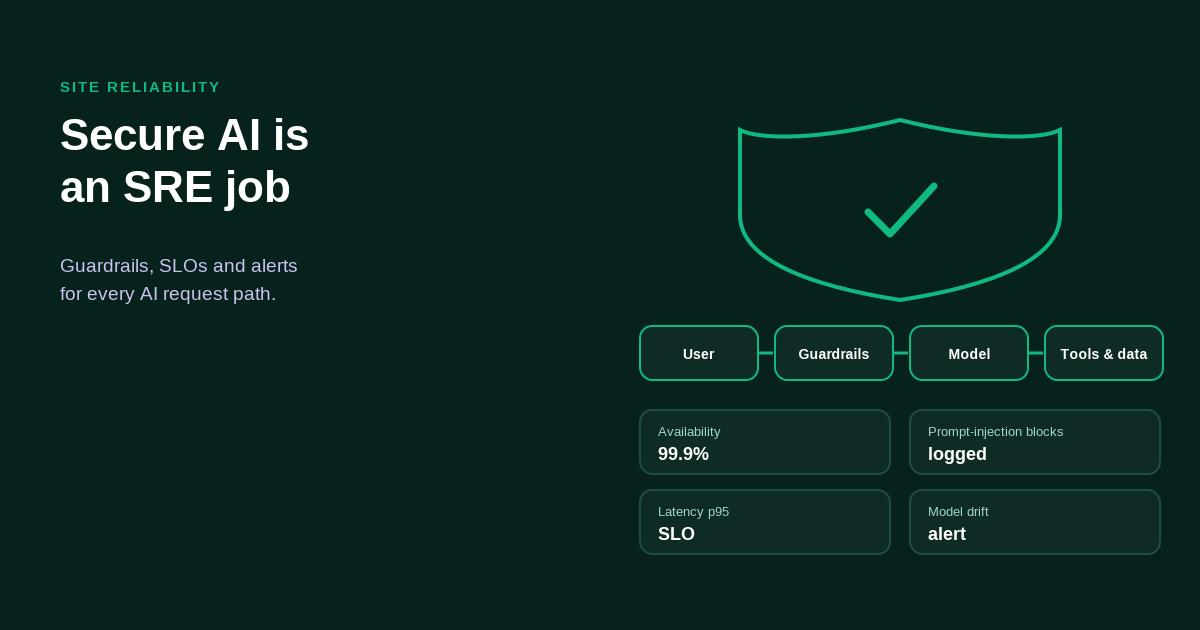
Secure AI Systems: A SRE Imperative
Integrating AI into SRE: Challenges and Opportunities Site Reliability Engineering is about making systems scalable, reliable, and efficient. Google engineers…
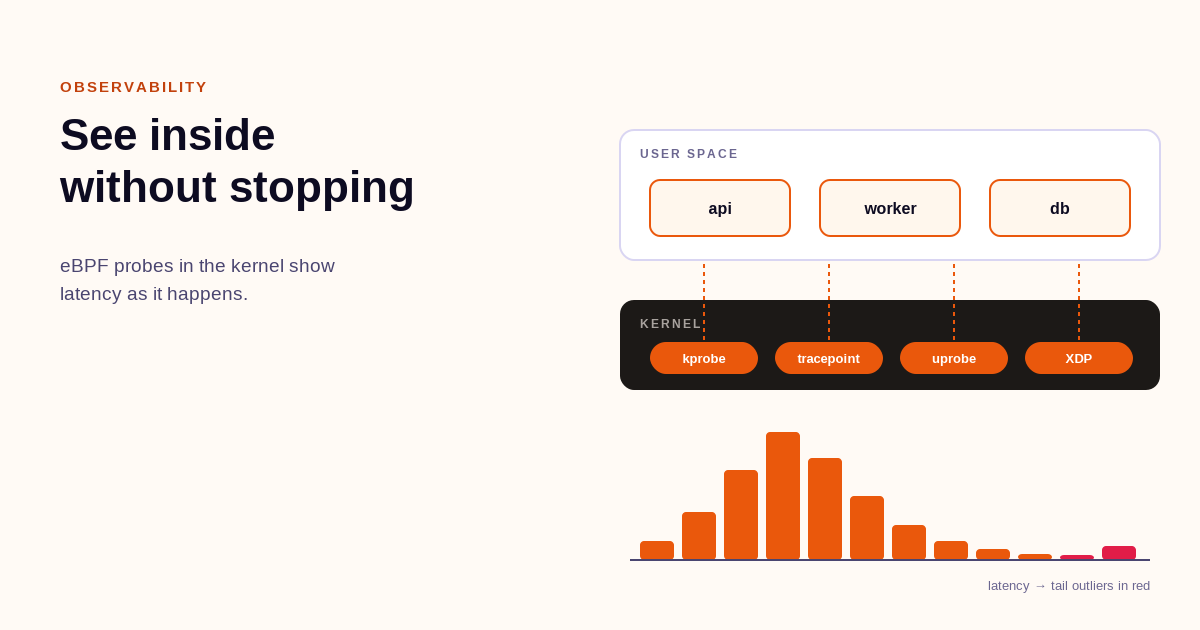
eBPF Observability: Low-Latency Insights
Adding eBPF observability to a product gives operators a way to see what is actually happening inside running systems without stopping the line, redeploying…
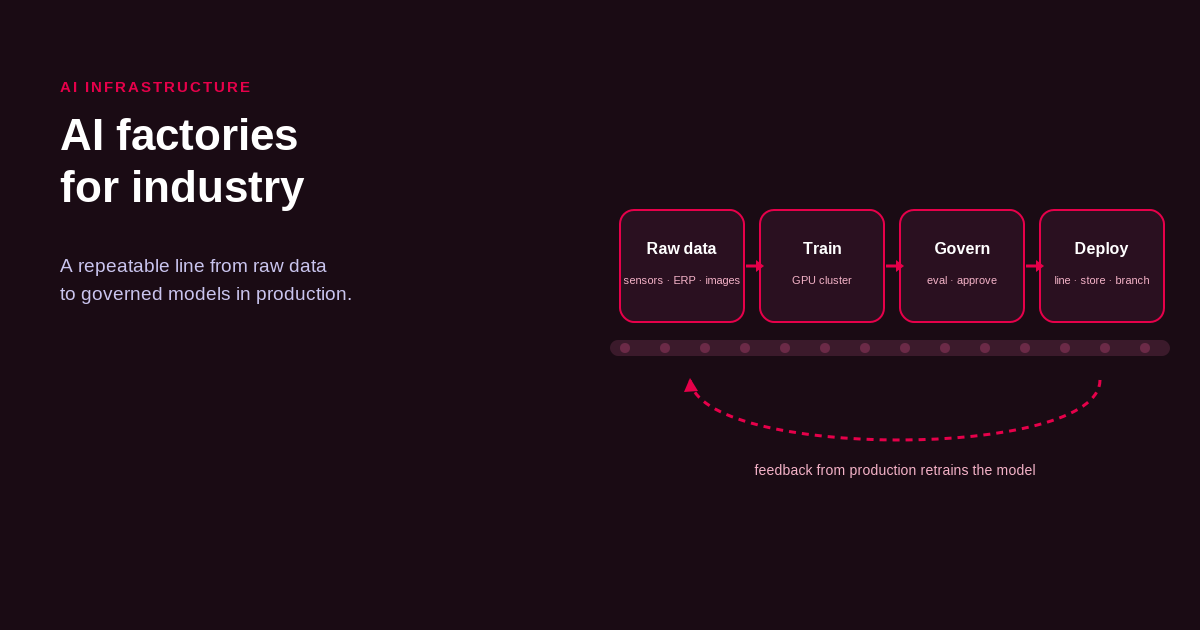
AI Factories for Industry
AI Factories are not a single product. They are a reproducible operational system that turns raw operational data into trained, governed models and then into…

DGX Spark: Scalable AI Compute
Introduction to DGX Spark NVIDIA DGX Spark is positioned as a desktop-class AI workstation for organizations that need powerful, always-on AI compute without…
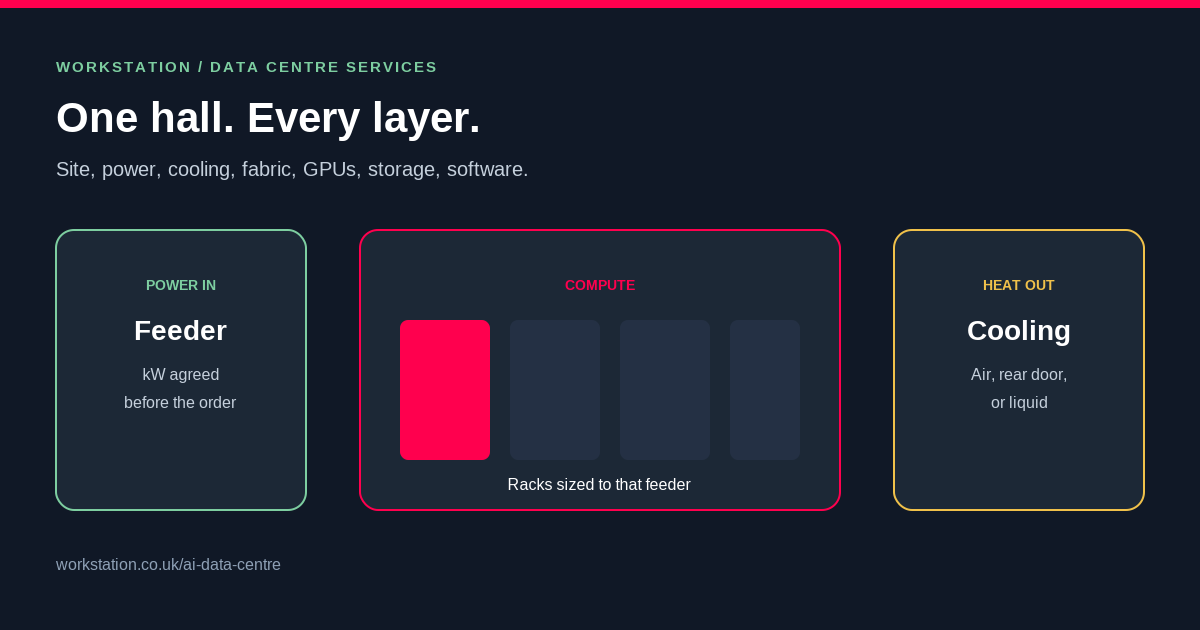
AI Data Centre Services: How Workstation Designs, Builds and Hands Over
Workstation designs AI data centres around the load the building can take. One team covers the site, the power budget, cooling, networking, GPU servers, storage, software and a 72-hour burn-in. Here is the full service, and where a private GPU cloud is the better answer.
 Balinder WaliaRead
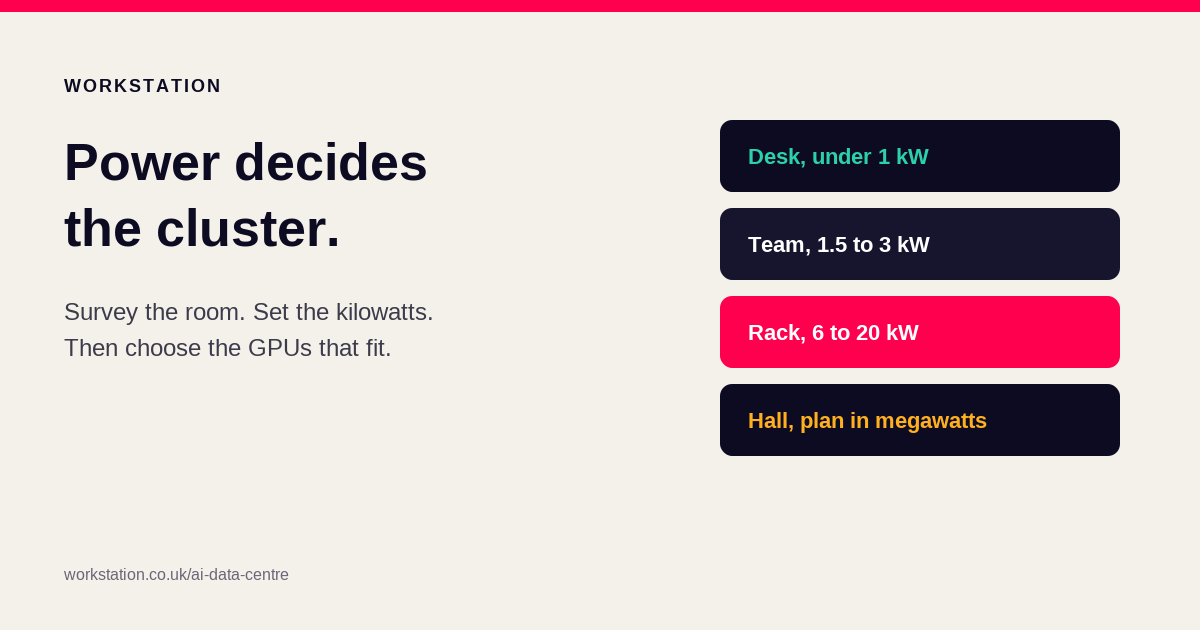
Energy First: How Workstation Plans AI Infrastructure
Workstation plans AI infrastructure by setting the power budget first. Survey the site, choose air or liquid cooling, then buy only the GPUs that site can run, from a desk under 1 kW to a hall planned in megawatts.
Balinder WaliaRead 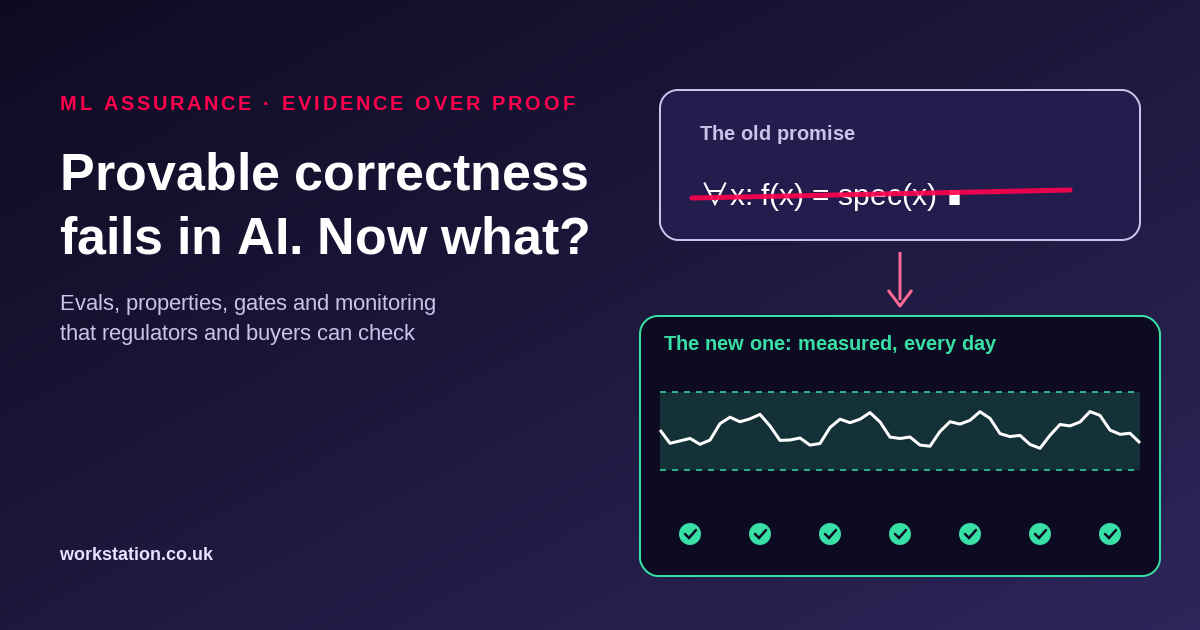
Provable Correctness Fails in AI: What Evidence to Build Instead
ML models cannot be proven correct the way code can: nobody can write down what correct means for every input. Here is the evidence to build instead, from slice metrics and property tests to LLM output contracts, release gates and monitoring.
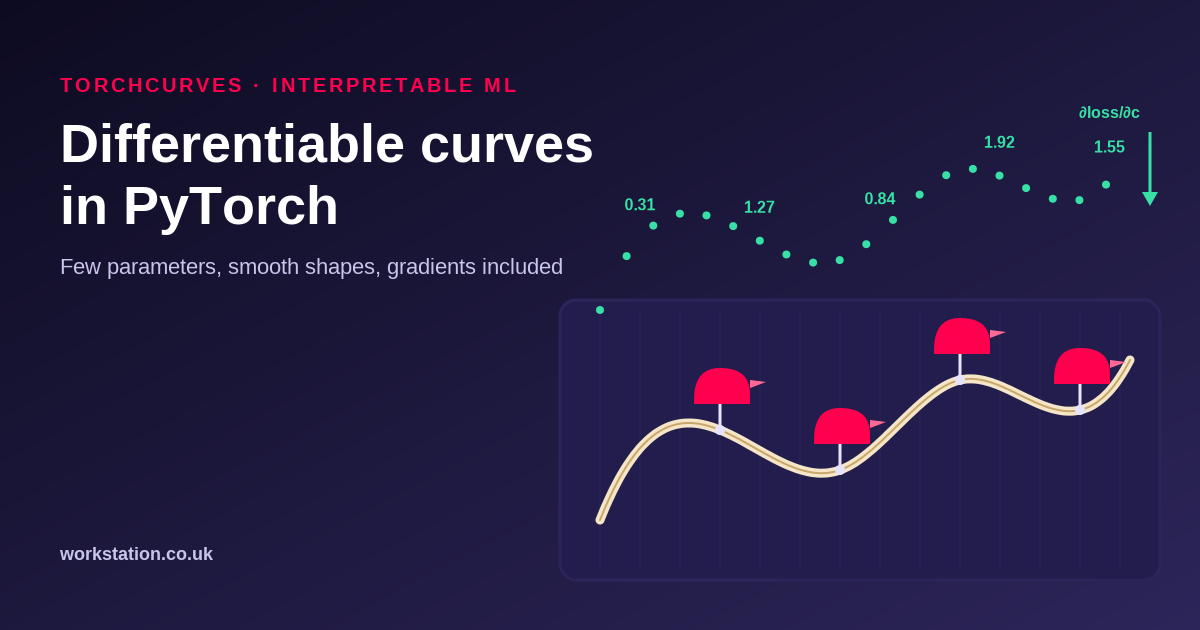
Differentiable Curves in PyTorch: Small, Auditable Models with TorchCurves
TorchCurves turns B-spline and Legendre curves into trainable PyTorch layers. What differentiable curves are, why few-parameter, plottable models help when a model must be explained or must follow a rule such as never decreasing, and how to start.
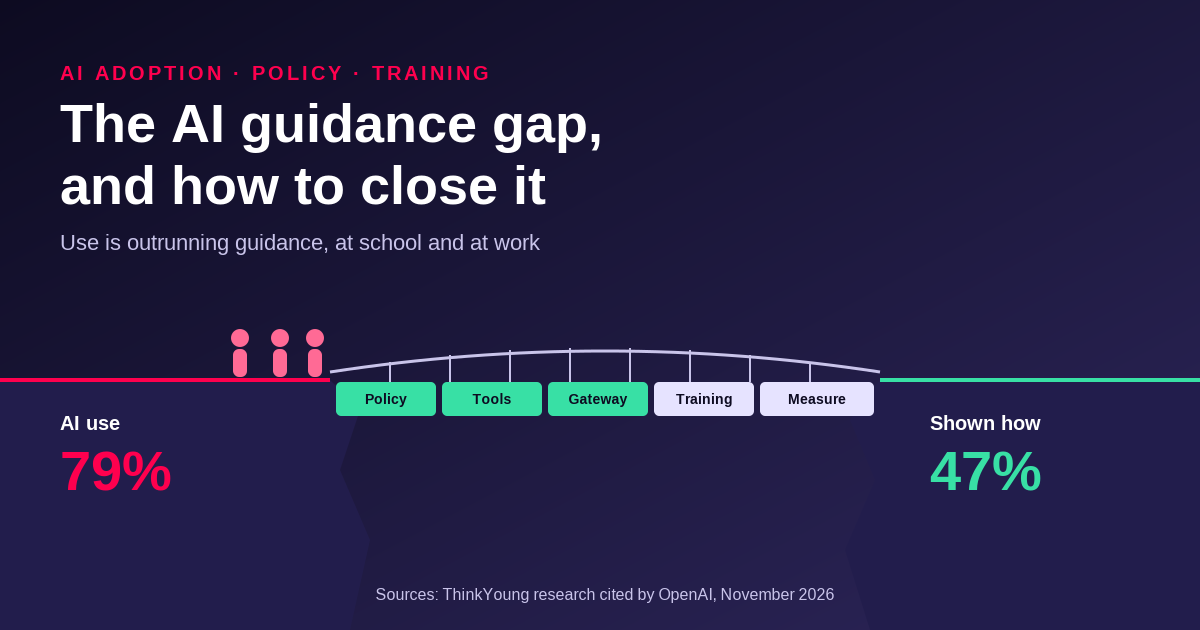
The AI Guidance Gap: Use Outpaces Training at School and at Work
79% of students use AI for homework but only 47% were shown how, according to ThinkYoung research cited by OpenAI. Workplaces show the same gap. A 90-day playbook for business leaders: policy by data class, approved tools, a gateway, role-based training and usage metrics.